Women
Voices
The Collet Family Yard
The Echoes of Burned Rice:
A Return to Her, to Them
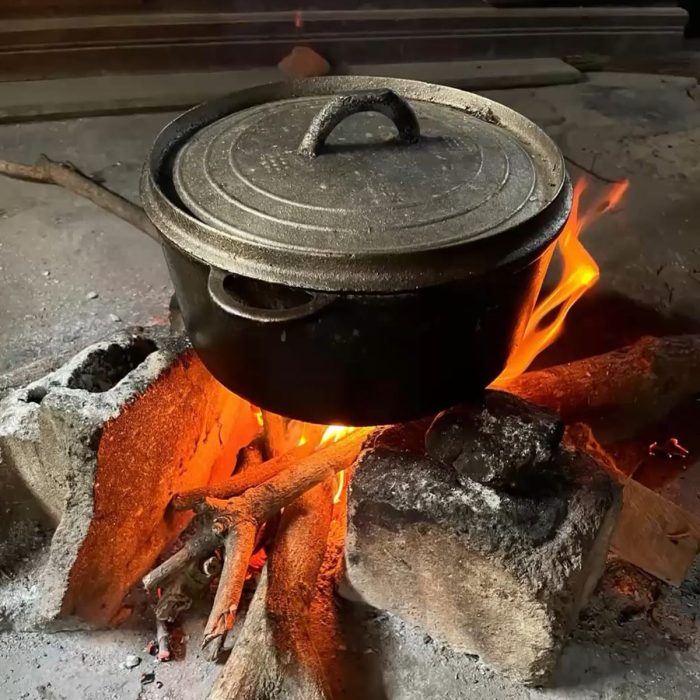
During the stillness of the COVID lockdown, when the world softened its pace, a deeper vision began to unfold. In solitude, through journaling, poetry, and reflection, one memory kept resurfacing, the Collet family yard. What a sacred chaos. Every evening, women gathered after long days of work. Some sorted rice in the van, fingers moving in quiet rhythm, while tea was poured and the pressure cooker sang nearby. They came together to laugh at themselves, complain about their bosses, tease their bad-mannered husbands, and share the beautiful mess of daily life. And in those moments, no one cared.
In those precious moments, before the arrival of their bossy husbands, they were free. Stories spilled out, joyful, bitter, absurd, painful, until laughter rose so wildly that sometimes the rice simply burned.
They often smiled as they compared the character of us grandchildren to that of our grandmother and grandaunts , women who were anything but quiet. Women with fire in their veins, fierce love in their chests, and emotions too vast to stay contained. The Collet women, they said, had good hearts… but damn hot tempers. Women who fought loudly , with life, with men, with fate, and often within themselves.
For a long time, I wondered about this fire that runs through us. And then I understood: it is inheritance. Our character is not ours alone , it is our grandmothers and grandaunts still speaking, still rising, still asking for space. Their unfinished stories, silenced dreams, and unspoken truths now moving through our voices. What once felt like too much slowly revealed itself as ancestral strength.
A legacy of women who refused to disappear
While my mama, Rose worked late, these women became my village. They bathed me, fed me, combed my hair, cared for me, and wrapped me in warmth. In their presence, I learned safety, belonging, and resilience. I learned that healing does not always happen in silence sometimes it happens in laughter, in storytelling, and in shared presence.
Years later, this living memory became a calling. And in that quiet inner listening, I heard my grandmother and grandaunts, as living echoes within me, asking for liberation. Their voices stirred something deep. I began to explore my own voice, the small, trembling voice within, the one that had waited so long to be heard.
Through that journey, expression became medicine, and truth became prayer.
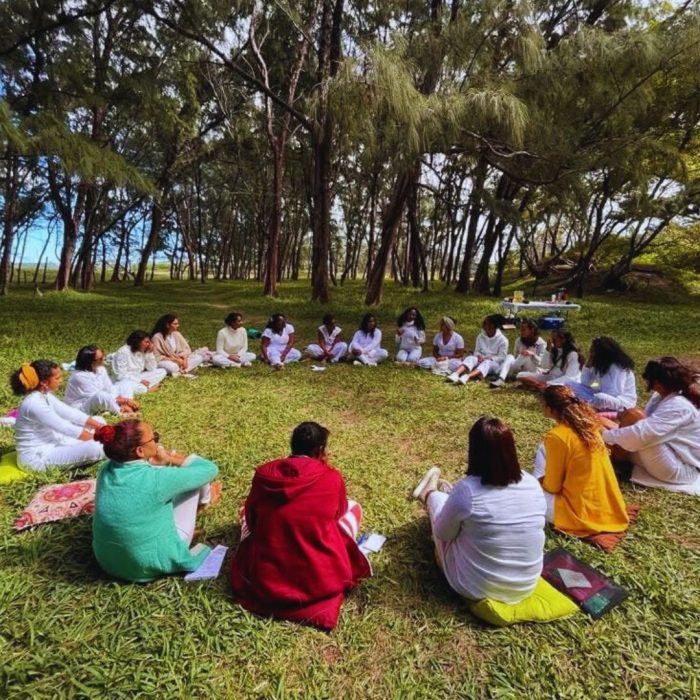
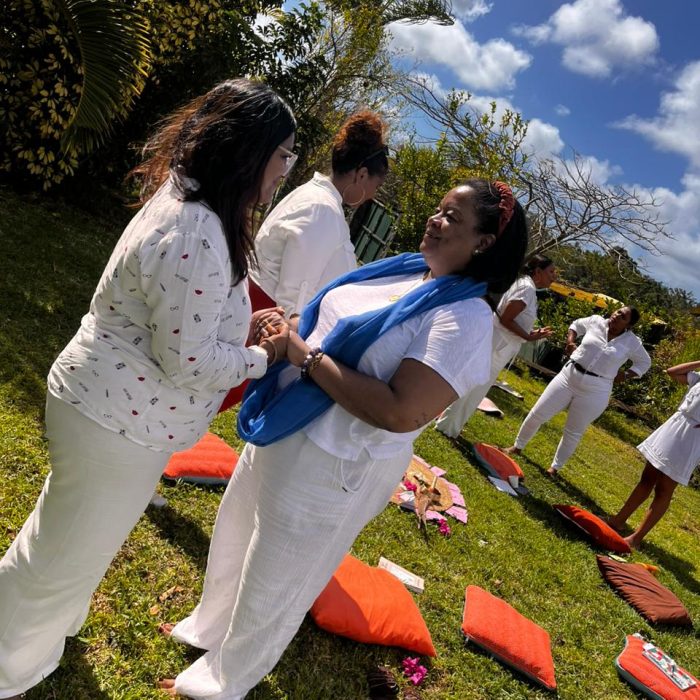
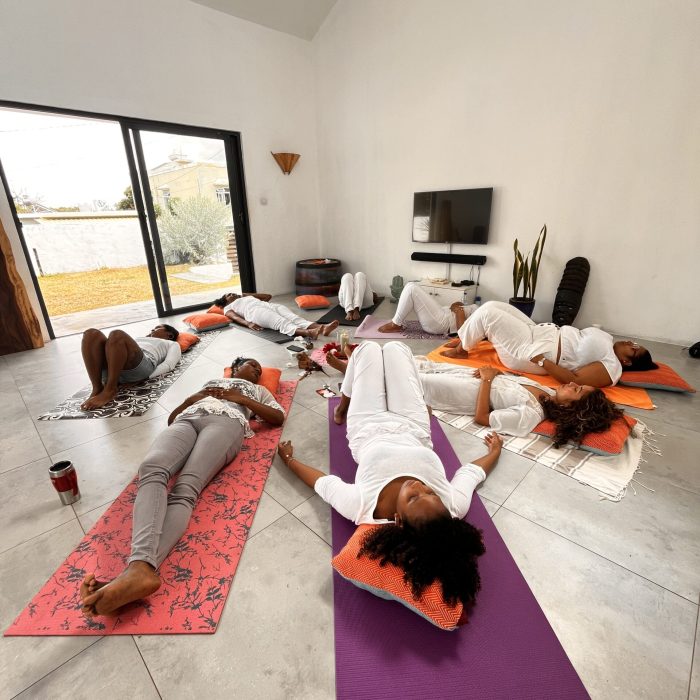
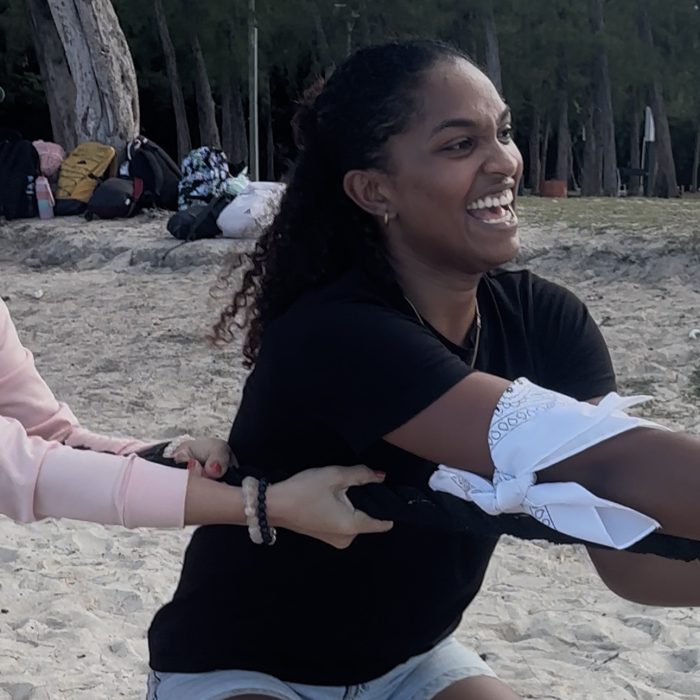
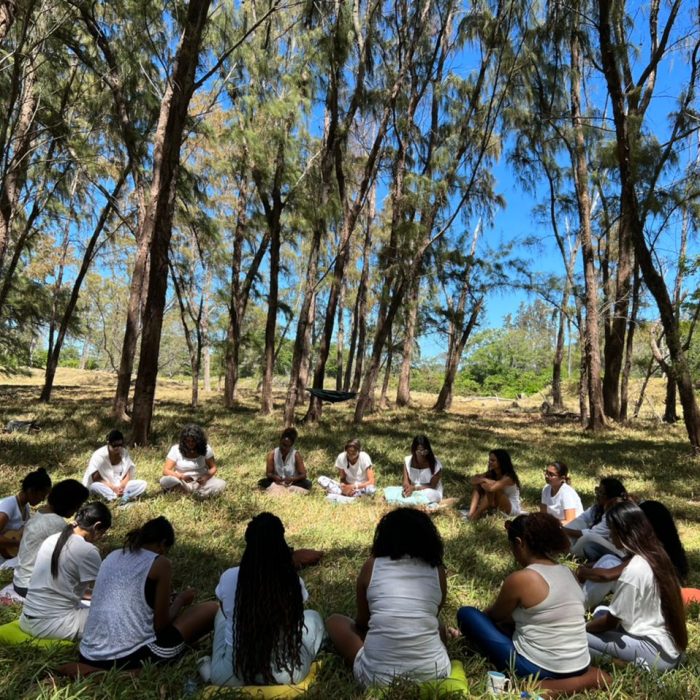
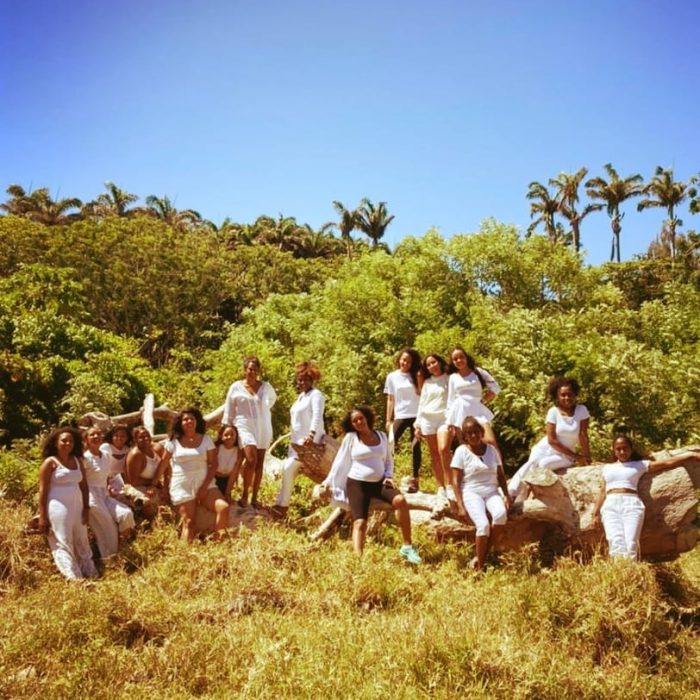
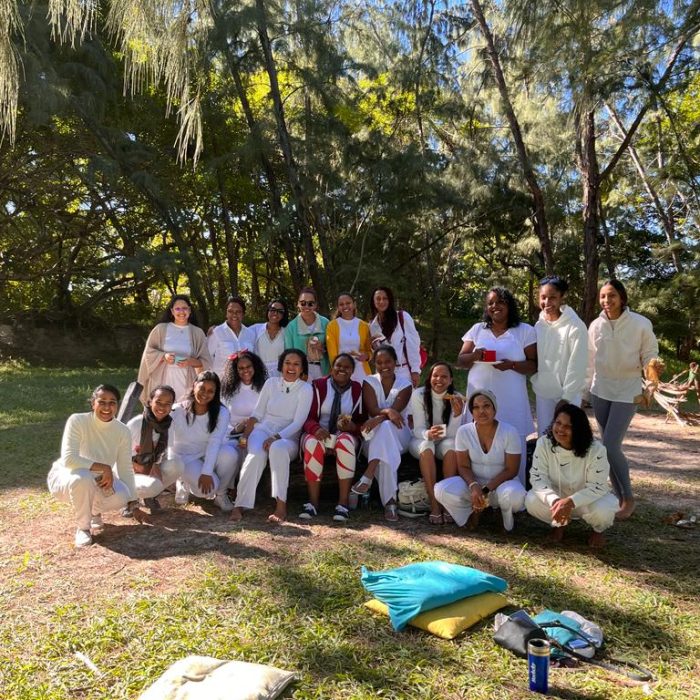
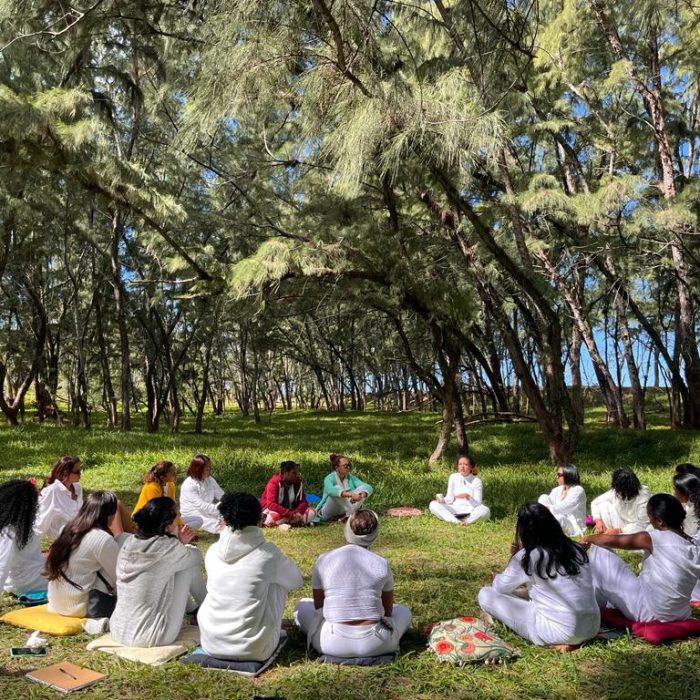
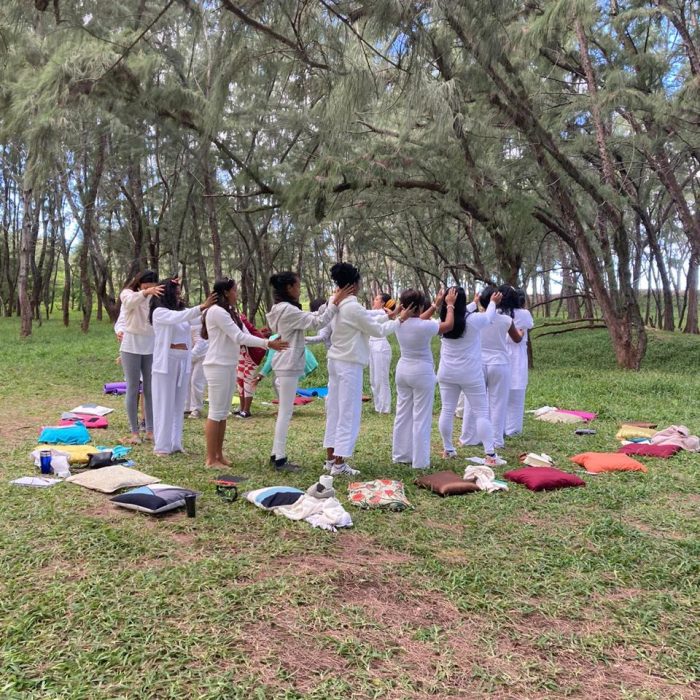
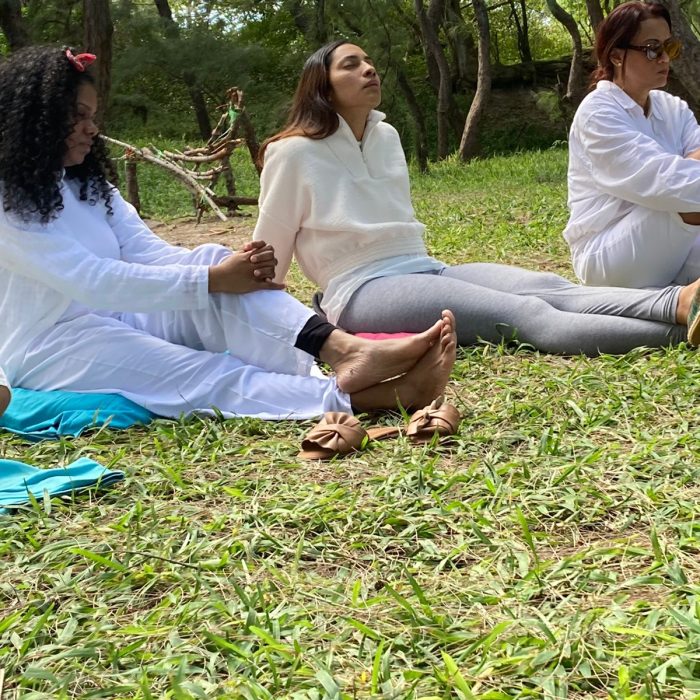
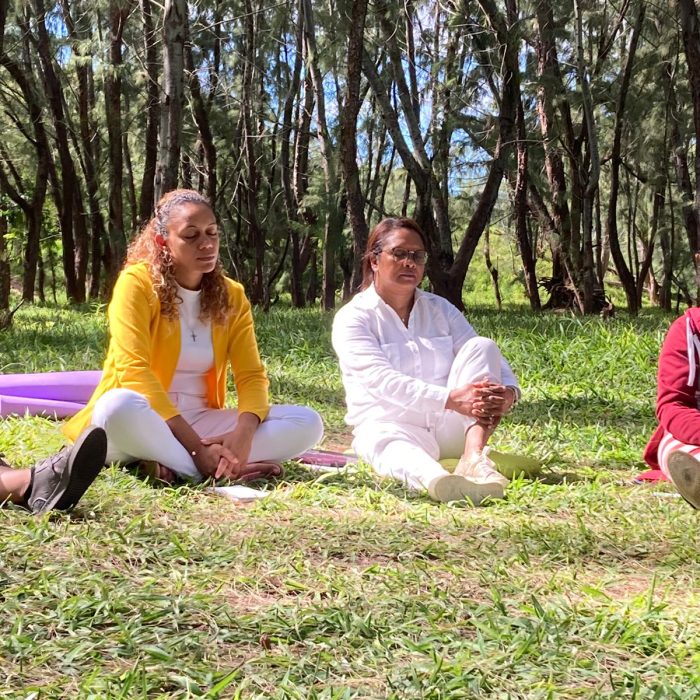
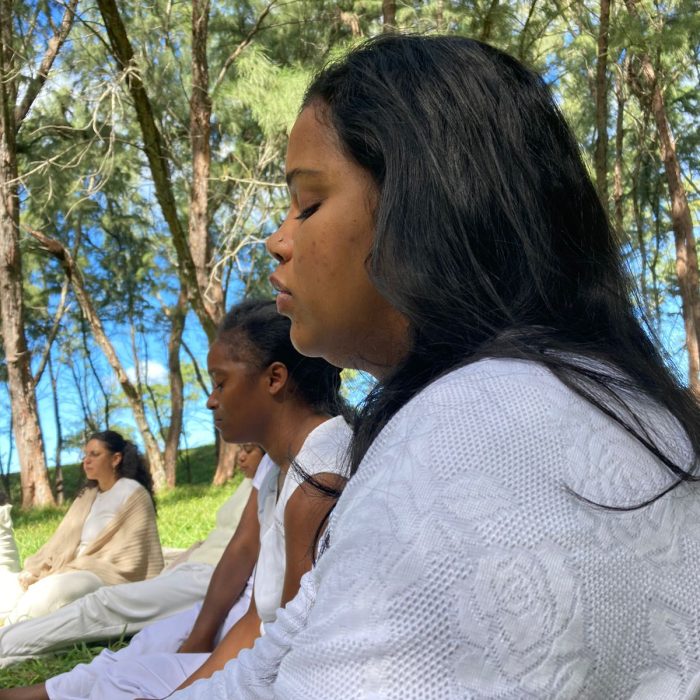
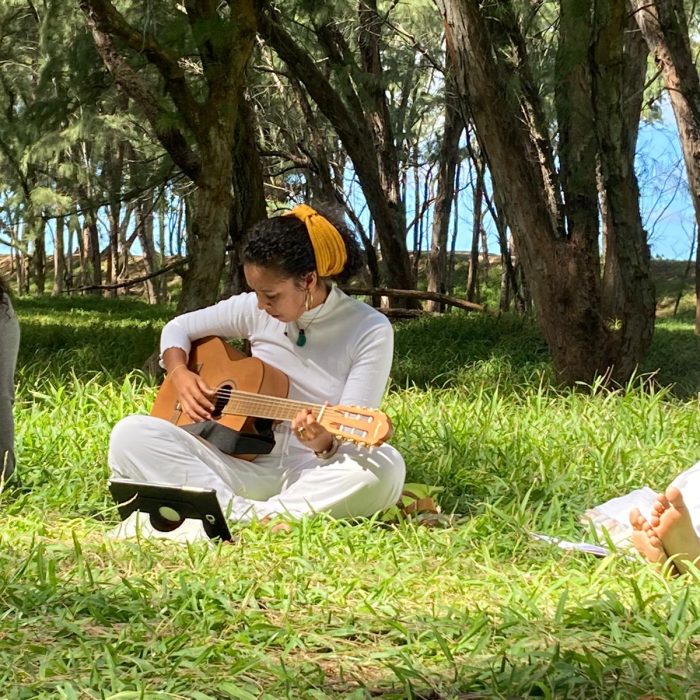
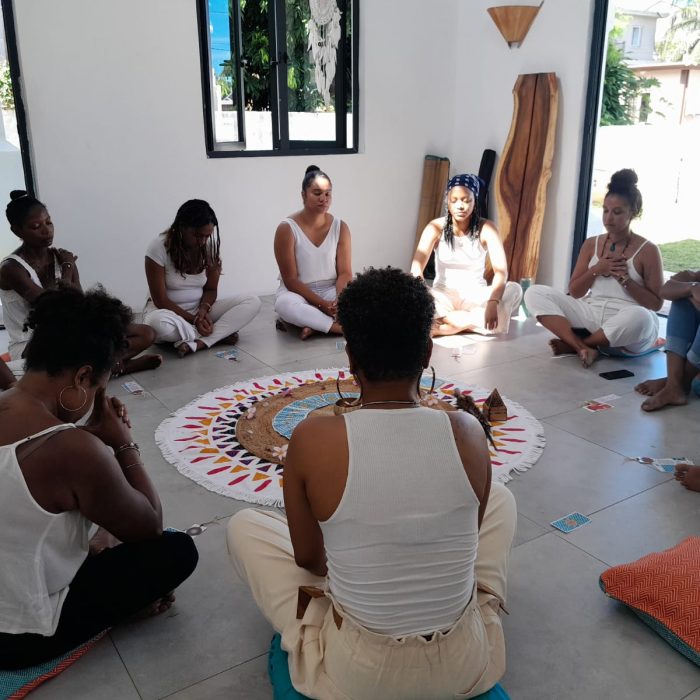
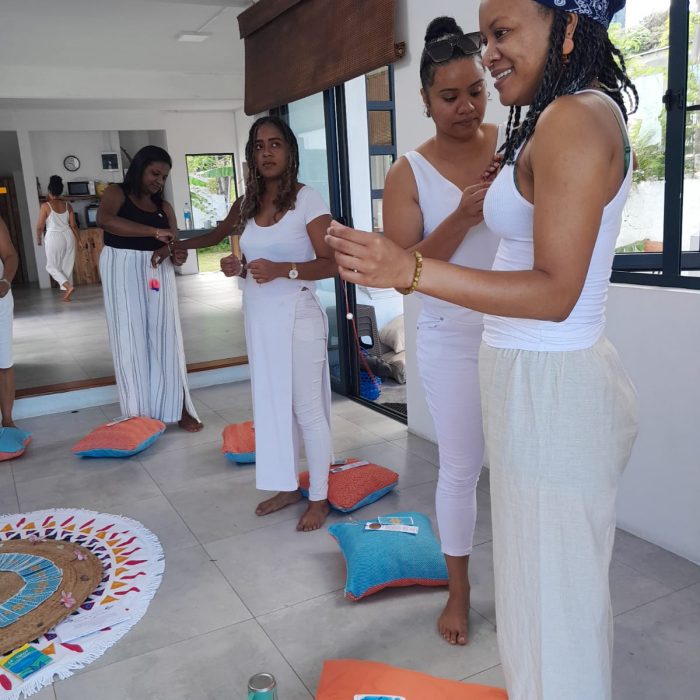
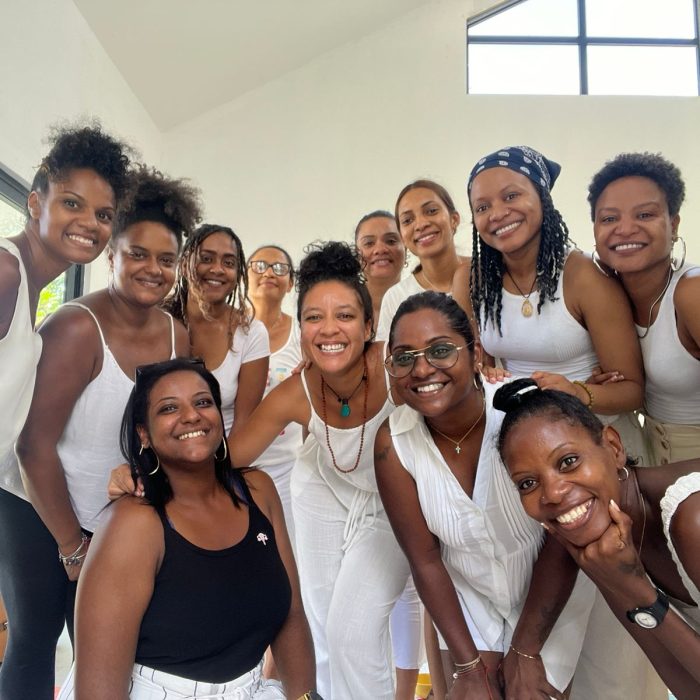
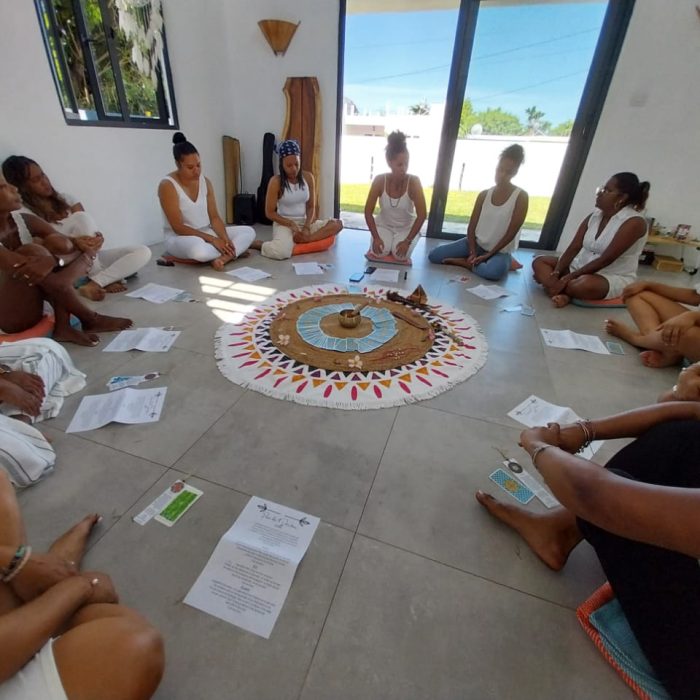
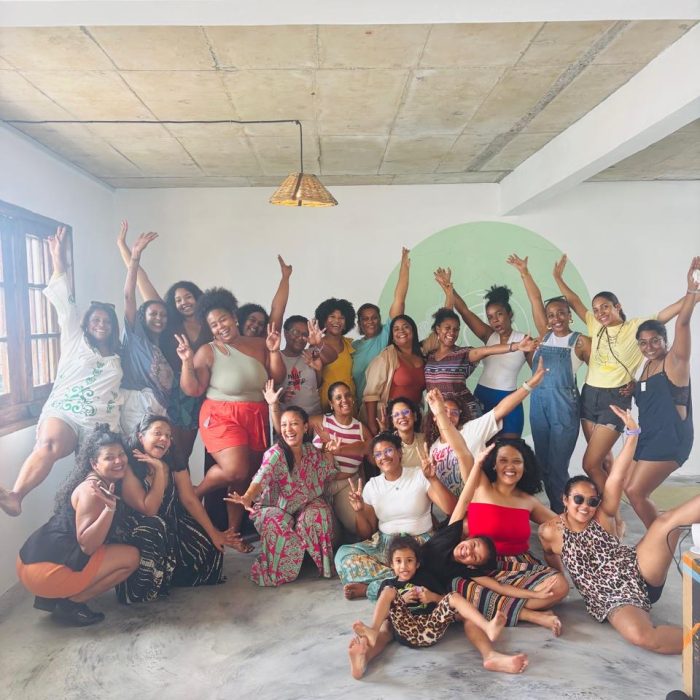
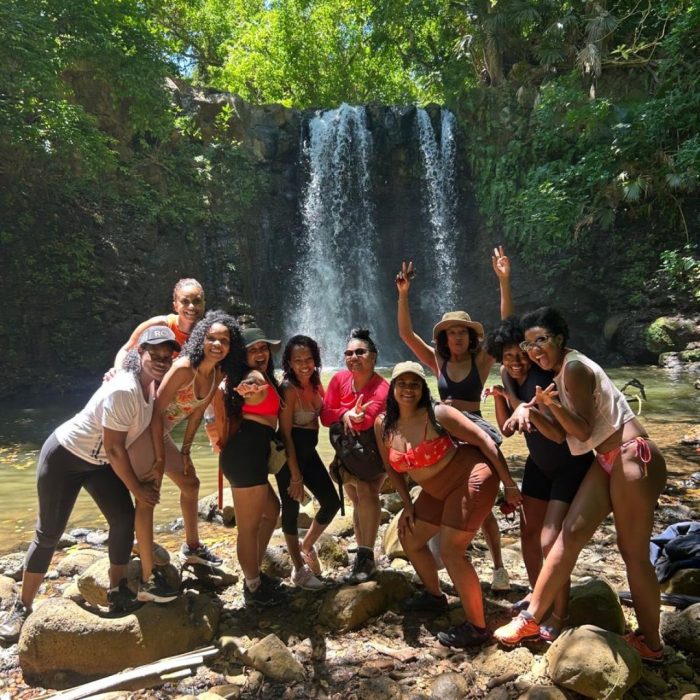
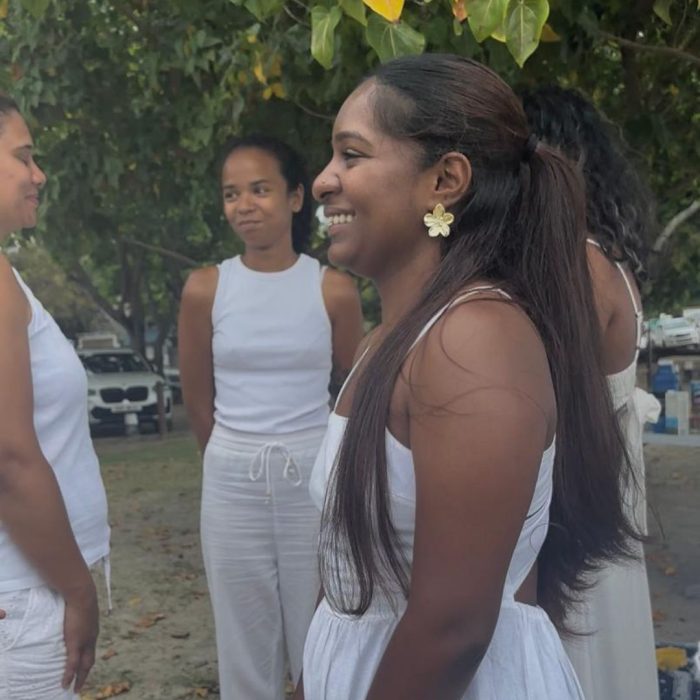
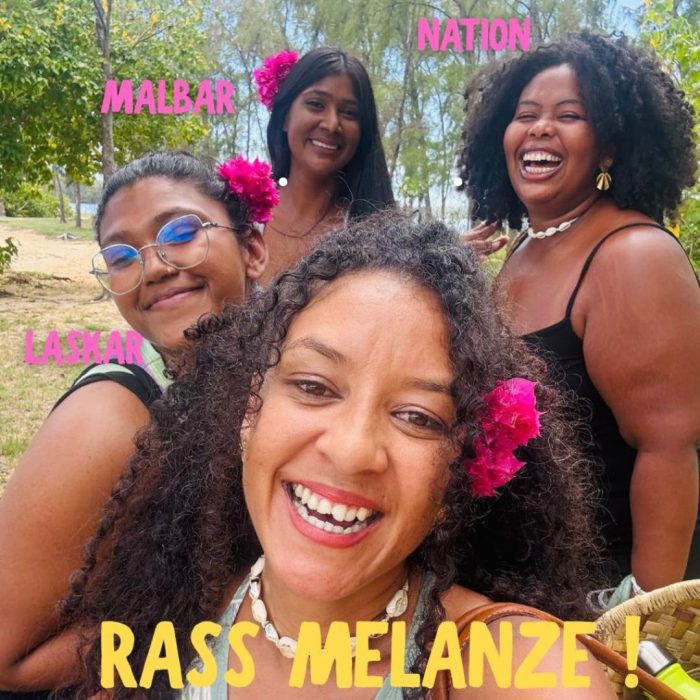
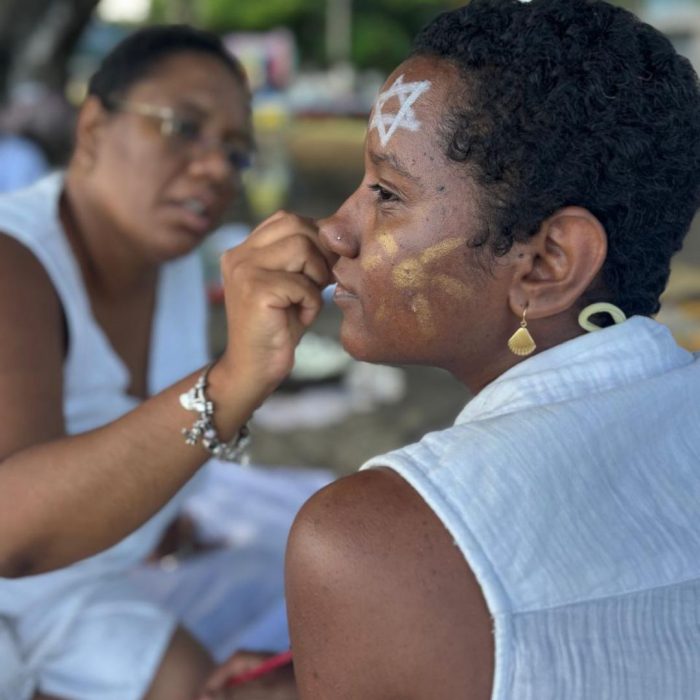
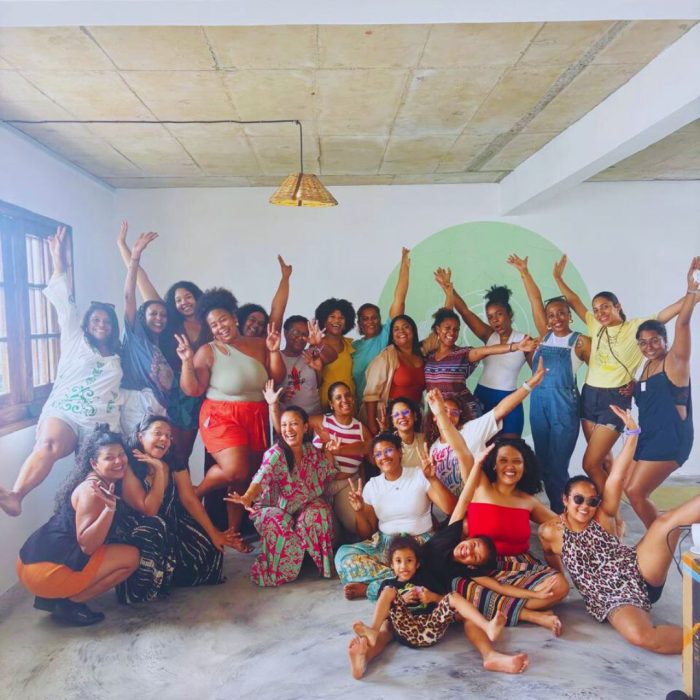
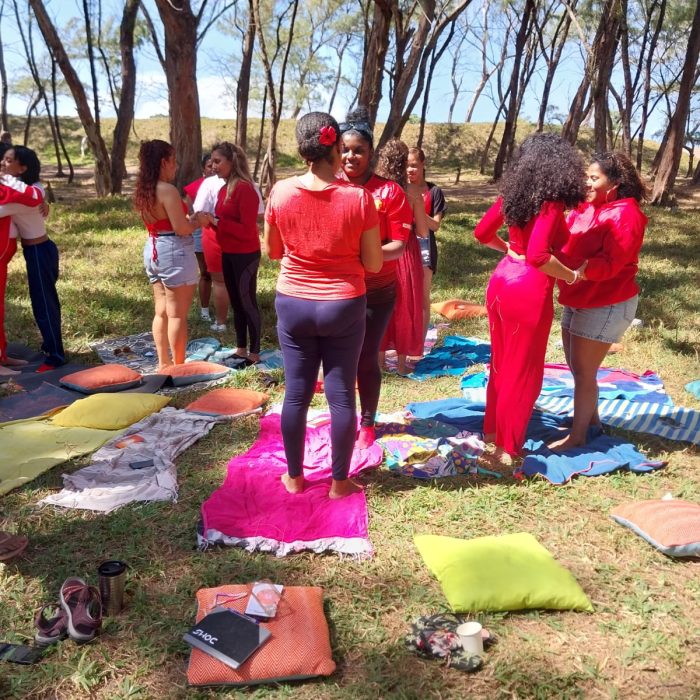
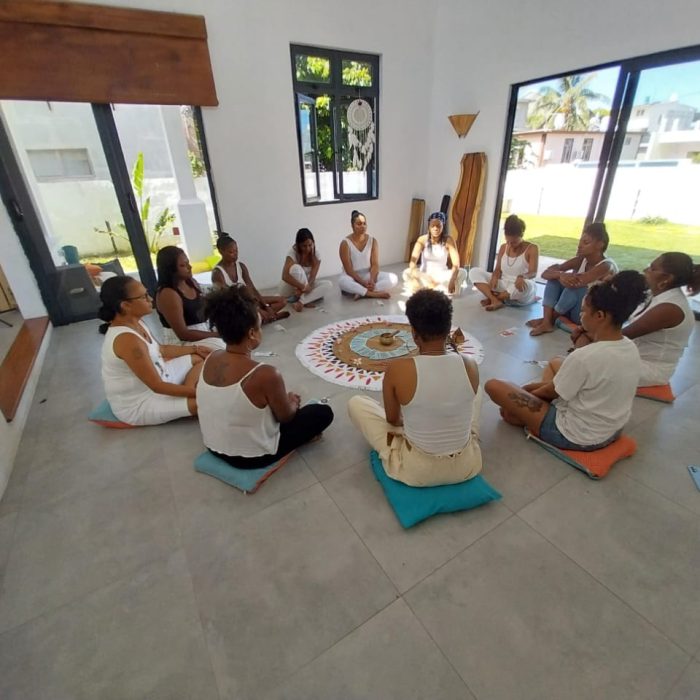
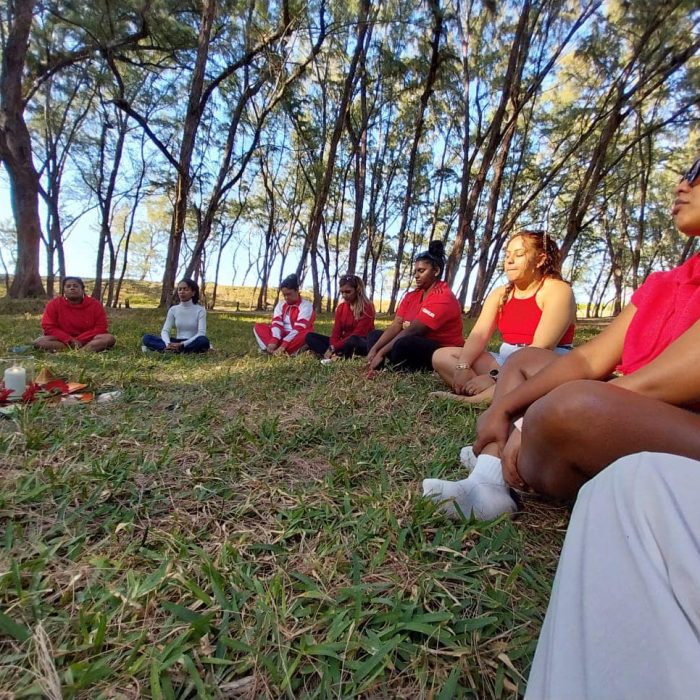
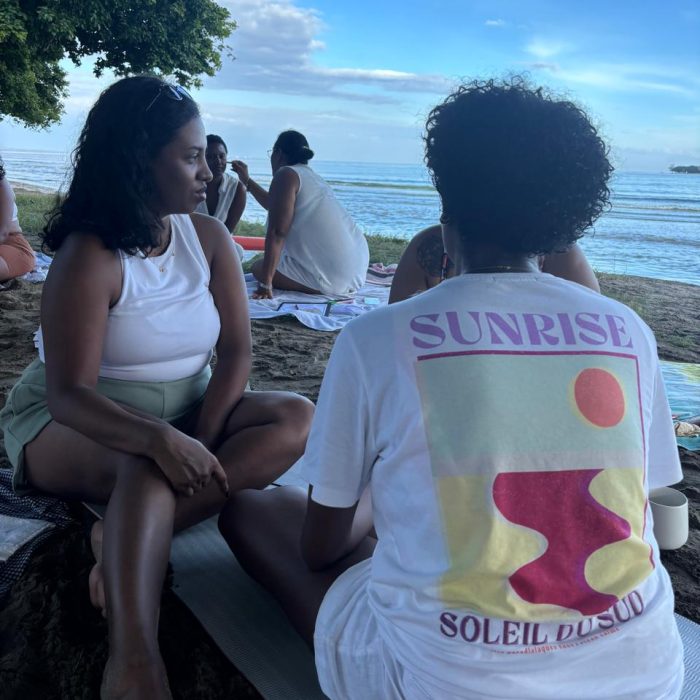
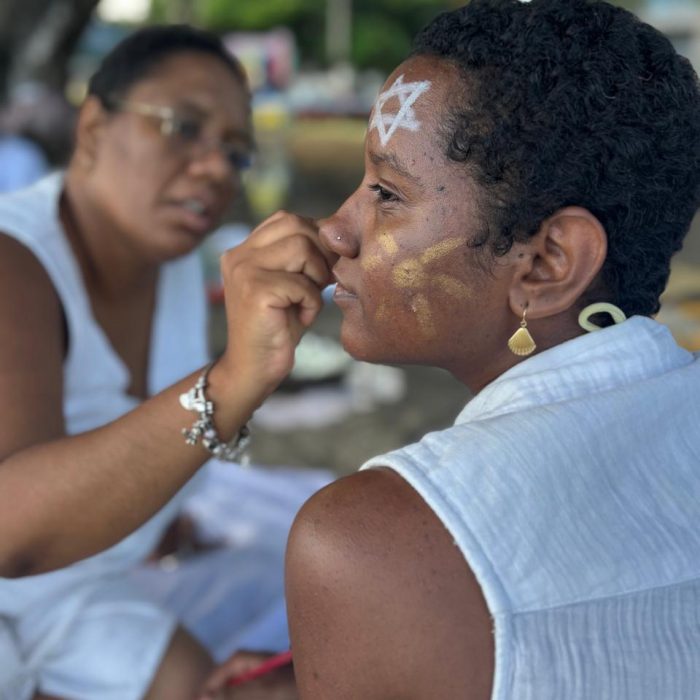
From this awakening, our women’s circles were born, from the knowing that when women gather, something ancient awakens. A space opens where masks fall away, truths emerge, and transformation begins. Here, modern women step out of performance and pressure, and into authenticity, softness, and strength.
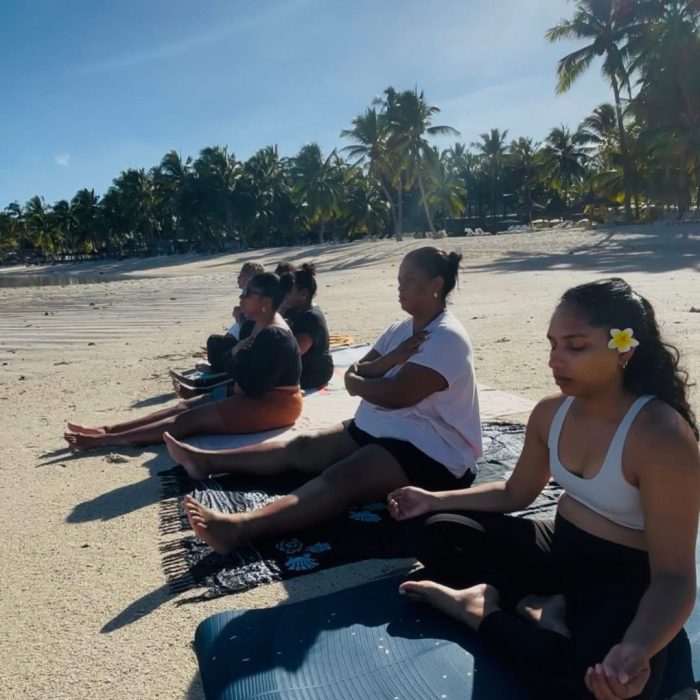
Rooted in the spirit of Mauritius and infused with deep intention, our circles offer a sanctuary, a place to rest, reconnect, release, and rise.
Without fear of burning the rice.
Wild Regards,
Hondoline
Between Faith and Belonging
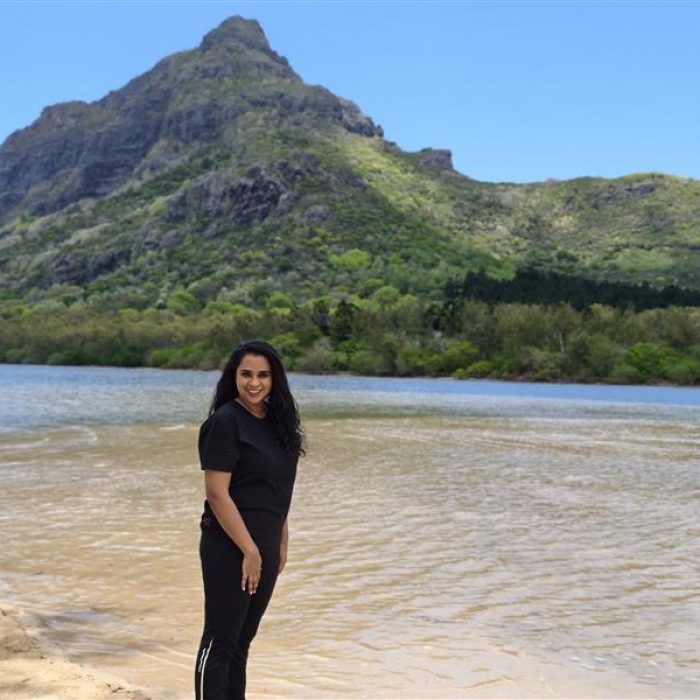
Being a Mauritian Muslim woman means living under a constant gaze.
A gaze that observes, questions, and often judges before listening. My identity is frequently broken down into labels, assumptions, and expectations shaped by both religion and society. Long before people know my story, or my values, they often already have an opinion about me. Within my community, women live their faith in different ways. Some wear the hijab early in life, others choose it later, and some may never wear it at all. This choice is deeply personal, spiritual, and evolving. It reflects where a woman is in her journey, not the strength of her faith. Unfortunately, society does not always see it this way. A woman who does not wear the hijab at a young age is too quickly judged, whispered about, or labelled. This judgment ignores a simple truth: faith is not a uniform, and devotion cannot be measured by appearance alone.
Outside my home, I am regularly reminded that society feels entitled to question me. At university, in the workplace, and in social settings, I am asked the same unsettling questions over and over again. “Do you drink alcohol? Not even a glass? Are you allowed to go out at night? Were your parents very strict? You never eat pork?” These questions may sound harmless, but to me they feel intrusive, reducing my identity to a list of assumptions of what I am restricted to do.
One question, however, stayed with me more than the others. I was once asked, in a professional context: Are you a Mauritian Muslim woman or a Muslim Mauritian woman? It took me a while to feel the weight of doubt placed on my belonging, as if my faith somehow made me less Mauritian, less suitable, less acceptable. As if I had to choose between my religion and my nationality to be taken seriously.
Very quickly, I am labelled, the non-drinker, the non-smoker, the “conservative” one.
The one who doesn’t quite fit. The one quietly excluded from certain social circles, certain conversations, certain invitations. This is prejudice; soft, casual, unspoken, yet deeply isolating.One question, however, stayed with me more than the others. I was once asked, in a professional context: Are you a Mauritian Muslim woman or a Muslim Mauritian woman? It took me a while to feel the weight of doubt placed on my belonging, as if my faith somehow made me less Mauritian, less suitable, less acceptable. As if I had to choose between my religion and my nationality to be taken seriously.
I am both. Fully. Proudly. And neither cancels the other out.
Zafi
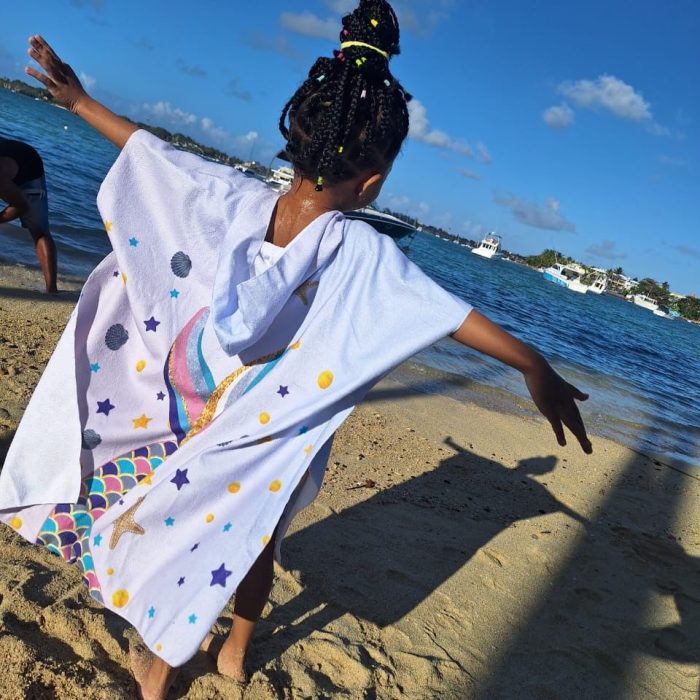
Athéna, My Daughter, Mama See you !
Autism :
Teach me to Love in a Different way
Today is an exceptional day not because it is my birthday or a celebration, but because I am finally sharing something deeply personal. Today, I open the door to my story, my emotions, and the parts of myself I have kept hidden for too long. I am Elvira, 32, living in Albion, Mauritius. My life is rooted in love, partnership, and motherhood. For the past ten years, I have shared my life with my husband, Dylan, my childhood love and life companion. Together, we have built not only a home, but a life grounded in resilience, discipline, and shared dreams. Through every challenge, we have chosen each other, walking side by side as we shape the future of our family with love and determination.
At the heart of our story is our daughter, Athéna. She is 6 years old, sensitive, unique, and deeply beautiful in the way she experiences the world.
She is the light of our lives and has taught us to see life through a different lens, one filled with depth, patience, and awareness. When she was younger, everything seemed ordinary. But as time passed, I began to notice subtle signs,the silence, the absence of consistent eye contact, the feeling that she was present, yet in her own world. As a mother, I felt it before I could explain it. And with that awareness came fear the fear of losing connection with my own child. We eventually sought answers, and one day, everything changed.
Athéna was diagnosed with autism.
That moment brought a storm of emotions,sadness, confusion, guilt, and a question that still lives within me: why my daughter? At first, I struggled to accept it. I questioned myself constantly, wondering what I had done wrong or what I could have done differently. In those unsettling moments, when questions were constantly racing through my mind, a simple video on YouTube became a turning point. Around that time, I was slowly becoming more familiar with this powerful word autism the word that had reshaped all our dreams for our daughter.The video was a testimony from another mother, also raising a little girl with autism. She shared her journey toward acceptance, and at one moment she said something that pierced through me completely:
Your child begins to heal when you, as a parent, accept.
Those words shook me. They brought tears, but also clarity. Over time, something inside me shifted. I realized that acceptance was not surrender it was responsibility.
It was choosing to understand her, support her, and walk
beside her on her unique path. From that moment, I made a promise to her: I would learn her world.
With the support of therapists, teachers, and a structured daily routine adapted to her needs, Athéna has made incredible progress. Step by step, in her own rhythm, she continues to grow in ways that are deeply meaningful to us. But as we began to find peace within ourselves, another challenge appeared ,one that is often harder than the diagnosis itself. The world around us. The looks. The comments. The judgment. What many people fail to see is that behind what they call “behavior” are moments of overwhelm, anxiety, and sensory difficulty. Loud sounds, bright lights, unfamiliar environments , all of this can become too much for her. And in those moments, she is not misbehaving. She is trying to cope. Yet the misunderstanding is often painful.
Family gatherings, social situations, even simple outings can become emotionally heavy not only for her, but for us as parents.
Over time, I made a decision: I would no longer expose my daughter to spaces where she is not understood or respected. I choose to protect her peace. I choose to surround her with kindness. I choose to build a life where she is accepted exactly as she is. Because Athéna is not invisible. She feels. She sees. She learns. She exists fully and beautifully just as she is. Living this journey has transformed me in ways I never imagined. It has taught me patience, emotional strength, and a completely new understanding of success. Success is no longer comparison. It is progress.
I will never forget the first time she said “mama” at five years old, a moment I had waited for with all my heart.
I will never forget the small victories that followed: touching textures she once feared, holding a pencil for the first time, drawing a simple circle.To others, these may seem small. To us, they are mountains climbed.Athéna has taught me to celebrate what the world often overlooks. She has taught me to slow down, to observe, and to love without conditions or expectations.If she could speak to you, she might say:
I did not choose to be autistic. And it is not my parents’ fault. I am learning in my own way. I feel, I see, I exist just like any other child. Please don’t define me by what I cannot do.
And that is the message I want to share with the world.
Autism is not something to fear. It is something to understand. Every child has their own rhythm, their own path, and their own way of becoming.And to every parent walking this journey: hold on to the small victories. They are proof of love. Proof of progress. Proof that you are moving forward together. Because sometimes, the smallest steps are the most powerful ones of all.
With Love
Elvira
GALLERY